My Surveyor Local is here to help you understand everything about property surveys. When you're buying a property, getting the right survey is one of the most important steps. It gives you peace of mind and protects you from costly surprises. This comprehensive guide explains what surveys are, why they matter, and how to choose the right survey for your property.
What Is a Property Survey?
A property survey is a professional inspection carried out by a qualified RICS chartered surveyor. The surveyor examines the property's condition, identifies defects, and provides a detailed report about structural issues, damp problems, and other concerns that could affect your purchase decision.
Unlike a basic mortgage valuation (which only assesses if the property is worth what you're paying), a comprehensive survey provides an in-depth analysis of the property's condition. A thorough survey helps you understand potential problems before buying, allows you to negotiate the price, and ensures you're making an informed decision.
Why Do You Need a Property Survey?
My Surveyor Local recommends property surveys for several important reasons:
- Identify Hidden Defects: Surveys uncover issues not visible during viewings, like subsidence, structural movement, damp problems, or faulty drainage systems.
- Negotiate the Price: If the survey identifies significant defects, you can use the findings to negotiate a lower purchase price or request repairs before completion.
- Plan for Future Repairs: Understanding a property's condition helps you budget for necessary repairs and maintenance after purchase.
- Complete Peace of Mind: A comprehensive survey gives you confidence in your purchase, knowing exactly what you're buying.
- Avoid Costly Mistakes: Surveys can save you thousands by identifying expensive issues early, preventing you from buying a property with serious problems.
Types of Property Surveys
There are three main levels of surveys available through My Surveyor Local, each suitable for different property types and requirements:
RICS Level 2 Survey (Homebuyer Report)
The RICS Level 2 survey is the most popular choice for conventional residential properties in reasonable condition. It's perfect for properties built after 1900 with no major alterations or unusual construction methods.
What's Included: The homebuyer report uses a simple traffic light system (red, amber, green) to highlight defects. Red indicates urgent attention needed, amber means issues requiring further investigation, and green signals no major problems. The survey includes a property valuation, insurance rebuild cost estimate, and advice on necessary repairs.
Typical Cost: £400-£900 depending on property value and location.
Best For: Modern homes, standard construction properties, flats, and conventional houses in good condition.
RICS Level 3 Survey (Building Survey)
The RICS Level 3 building survey is the most comprehensive survey available. It provides an in-depth analysis of the property's structure and condition, making it essential for older properties, those with unusual construction, or where significant defects are suspected.
What's Included: A detailed examination of all accessible areas, including roof structure, foundations, walls, floors, windows, doors, drainage, and utilities. The report identifies all defects with explanations of severity, provides repair cost estimates, and offers advice on maintenance priorities. Level 3 surveys are much more thorough than Level 2 surveys.
Typical Cost: £600-£1,500 depending on property size, age, and complexity.
Best For: Period properties, listed buildings, properties over 50 years old, unusual construction, dilapidated buildings, properties with extensions, or if you're planning major renovations.
Property Valuation Survey
A valuation survey provides an official property value assessment for mortgage, purchase, probate, or tax purposes. While it confirms market value, it doesn't assess condition like a Level 2 or Level 3 survey.
Typical Cost: £300-£600
Best For: Mortgage requirements, remortgaging, probate valuations, or divorce settlements.
How to Choose the Right Survey for Your Property
Choosing the right survey depends on several factors. Here's how My Surveyor Local recommends making your decision:
Consider the Property Age
Properties built after 1900 with standard construction typically suit a RICS Level 2 survey. However, older period properties, Victorian houses, Edwardian homes, or Georgian buildings should have a comprehensive Level 3 building survey due to their age and potential issues.
Evaluate Property Condition
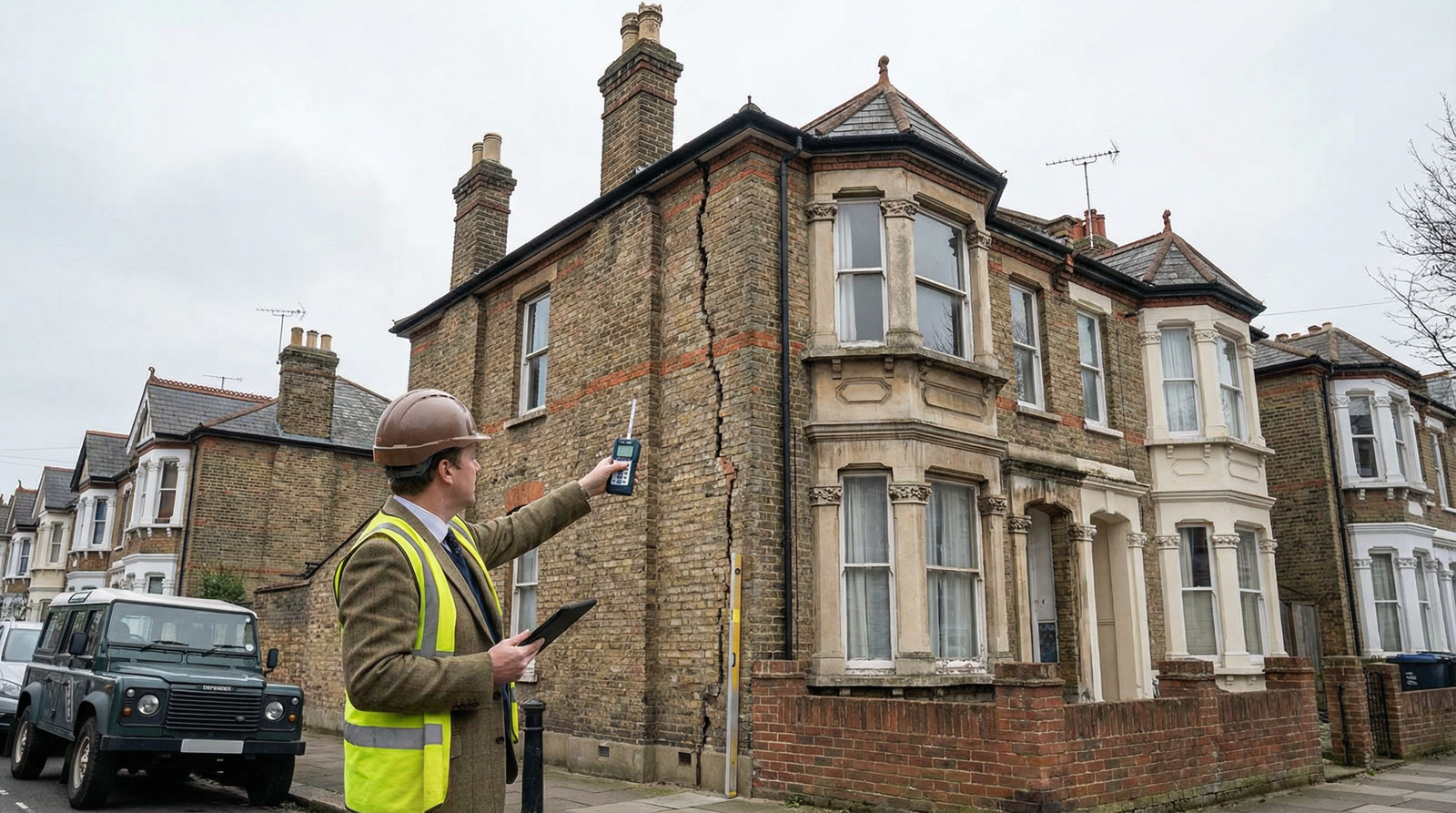
If the property appears well-maintained with no obvious defects, a Level 2 survey may suffice. However, if you notice cracking, damp patches, uneven floors, or other warning signs, invest in a Level 3 building survey for thorough investigation.
Property Type Matters
Standard houses and flats with conventional construction are suitable for Level 2 surveys. Properties with unusual features, timber frames, thatched roofs, extensions, or listed building status need Level 3 surveys.
Your Plans for the Property
If you're planning major renovations, extensions, or significant alterations, a Level 3 survey provides detailed information about the property's structure, helping you plan work effectively.
What Happens During a Property Survey?
Understanding the survey process helps you know what to expect. Here's what happens when you book a survey through My Surveyor Local:
Step 1: Booking Your Survey
Contact My Surveyor Local and we'll match you with a qualified RICS chartered surveyor in your local area. You'll discuss the property, your concerns, and receive a survey quote tailored to your requirements.
Step 2: The Property Inspection
Your surveyor visits the property to conduct a thorough inspection. For a Level 2 survey, this typically takes 2-3 hours. Level 3 building surveys take longer, usually 3-4 hours or more for larger properties. The surveyor examines all accessible areas, takes photographs, makes detailed notes, and may use specialist equipment like moisture meters or thermal imaging cameras.
Step 3: Receiving Your Report
Within 48-72 hours of the inspection, you'll receive your comprehensive survey report. The report clearly explains findings, identifies defects, and provides recommendations for repairs and further investigations where necessary.
Understanding Your Survey Report
Survey reports can seem complex, but they're designed to help you make informed decisions. Here's what to look for:
The Traffic Light System (Level 2 Surveys)
Level 2 surveys use color coding: Green means no repair needed currently. Amber indicates defects requiring attention but not necessarily urgent. Red signals serious defects needing urgent attention or further investigation.
Detailed Explanations (Level 3 Surveys)
Level 3 reports provide comprehensive descriptions of each element inspected, explaining issues clearly with photographs supporting findings. The surveyor estimates repair costs and prioritizes work from urgent to long-term maintenance.
Common Issues Found in Surveys
Most property surveys identify some issues. Common findings include: damp and condensation problems, roof defects requiring repair or replacement, structural movement and cracking, outdated electrical systems, drainage issues, timber decay or woodworm, and poor insulation affecting energy efficiency.
Finding defects doesn't necessarily mean you shouldn't buy the property. It means you're informed and can make appropriate decisions about pricing, repairs, or further investigations.
Using Your Survey to Negotiate
One of the biggest benefits of getting a comprehensive property survey is the ability to negotiate based on findings. If your survey identifies significant defects, you have several options:
- Negotiate Price Down: Use repair cost estimates from the survey to justify a lower offer price.
- Request Repairs: Ask the seller to complete necessary repairs before completion.
- Split Repair Costs: Negotiate a compromise where both parties contribute to repair costs.
- Walk Away: If defects are too serious or costly, you can withdraw from the purchase before exchanging contracts.
Many buyers successfully negotiate thousands of pounds off the purchase price using survey findings. Don't be afraid to use this information - it's precisely why you commissioned the survey.
How Much Does a Survey Cost?
Survey costs vary depending on property value, location, size, and survey level. Here's a typical guide:
- RICS Level 2 Survey: £400-£900
- RICS Level 3 Survey: £600-£1,500
- Property Valuation: £300-£600
While these costs might seem significant, they're small compared to the potential savings from identifying defects and negotiating the purchase price. Many buyers save far more than the survey cost through effective negotiation.
How to Find a Qualified Surveyor
Choosing the right surveyor is crucial for getting an accurate, comprehensive report. My Surveyor Local makes this easy by connecting you with experienced, qualified RICS chartered surveyors in your local area.
All our surveyors are members of the Royal Institution of Chartered Surveyors (RICS), ensuring they meet rigorous professional standards. They have professional indemnity insurance protecting you if errors occur, and they possess extensive knowledge of local property types and common issues in your area.
Frequently Asked Questions
Do I really need a survey?
While not legally required, surveys are highly recommended. They identify potential problems that could cost thousands to repair and provide leverage for price negotiations. Most property buyers regret not getting a survey if issues emerge after purchase.
How long does a survey take?
The inspection typically takes 2-4 hours depending on property size and survey level. You'll receive the report within 48-72 hours after the inspection, keeping your purchase on track.
Can I attend the survey?
You can't usually be present during the inspection as it can distract the surveyor. However, you can arrange to meet the surveyor at the property afterwards to discuss findings and ask questions.
What if the survey finds problems?
Finding defects is common and doesn't automatically mean you shouldn't buy. Use the information to negotiate price, request repairs, or budget for future work. Serious issues might lead you to reconsider, but you'll know before committing.
Conclusion
Getting a property survey is one of the most important steps when buying a home. Whether you choose a RICS Level 2 homebuyer report or a comprehensive Level 3 building survey, you'll gain valuable insights into the property's condition and complete peace of mind about your purchase.
My Surveyor Local connects you with qualified RICS chartered surveyors nationwide who provide thorough, professional inspections tailored to your property type. Don't take risks with one of life's biggest investments - get a comprehensive survey and buy with confidence.
Ready to Book Your Property Survey?
Contact My Surveyor Local today to find a qualified surveyor in your local area. Get your free quote and take the first step toward a confident property purchase.
Get Your Free Quote