My Surveyor Local recommends comprehensive RICS Level 3 building surveys for all period properties. Victorian, Edwardian, and Georgian homes have unique characteristics and potential issues that require thorough inspection by qualified chartered surveyors. This guide explains why old properties need more detailed surveys and what to expect.
Understanding Period Properties
Period properties are homes built before 1919, typically falling into Georgian (1714-1830), Victorian (1837-1901), or Edwardian (1901-1910) eras. These properties have distinctive architectural features, character, and charm that modern homes cannot replicate. However, their age brings specific challenges that buyers must understand before purchase.
Unlike modern properties built to current building regulations, period homes were constructed using different methods, materials, and standards. Many have been altered over decades, with extensions, conversions, and modernizations that may not meet current requirements. A comprehensive building survey identifies these issues, giving you complete peace of mind.
Why RICS Level 3 Surveys Are Essential for Old Properties
My Surveyor Local always recommends RICS Level 3 building surveys for period properties. Here's why a basic Level 2 homebuyer report isn't sufficient:
Age-Related Deterioration
Properties over 100 years old have experienced decades of weathering, settlement, and wear. Original materials may have deteriorated, requiring repair or replacement. A Level 3 survey provides in-depth analysis of structural condition, identifying issues before they become expensive problems.
Complex Construction Methods
Period properties use construction techniques no longer common today. Victorian homes often feature solid brick walls, lime mortar, suspended timber floors, and complex roof structures. Understanding these requires specialist knowledge that RICS chartered surveyors possess through extensive training and experience.
Hidden Defects
Old properties often hide problems behind decorative features, modern finishes, or historical alterations. Subsidence, damp, timber decay, and structural movement may not be visible during viewings. A thorough building survey investigates beyond surface appearances, uncovering hidden defects that could cost thousands to repair.
Planning Future Renovations
Many buyers purchase period properties intending to renovate or extend. A Level 3 survey provides detailed information about the property's structure, helping you plan work effectively and avoid costly surprises during building projects.
Common Issues Found in Period Property Surveys
When surveyors from My Surveyor Local inspect old properties, they commonly identify these issues:
Structural Movement and Subsidence
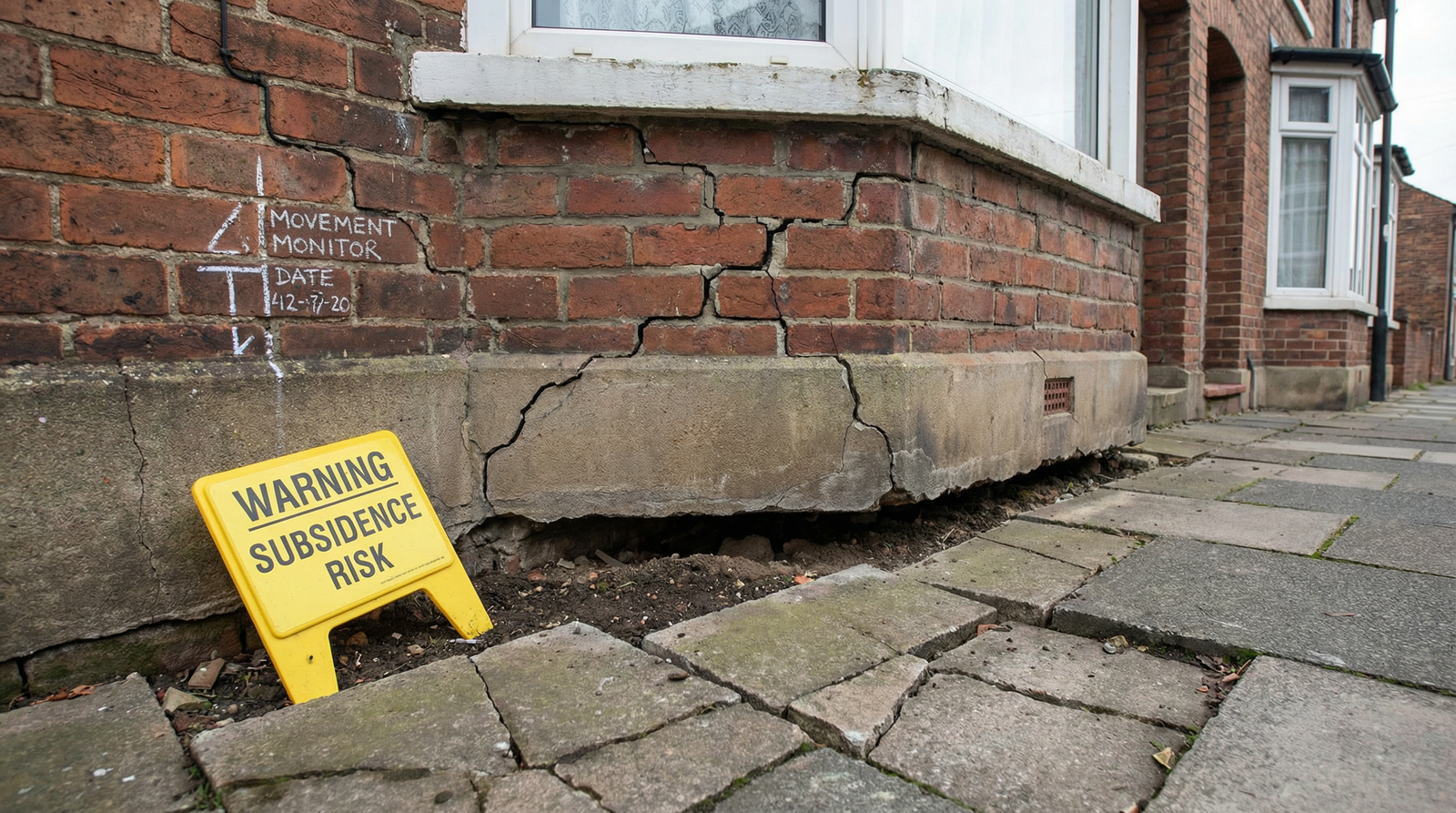
Period properties have often settled over time, causing cracks in walls, uneven floors, and door frames out of square. While some movement is normal and historical, active subsidence requires immediate attention. Surveyors assess crack patterns, severity, and whether issues are ongoing or stabilized.
Subsidence in period properties can result from clay soil shrinkage, tree root damage, water leaks, or inadequate foundations. Repair costs vary from £5,000 for minor underpinning to £50,000+ for extensive structural work. A comprehensive survey identifies subsidence early, allowing you to negotiate repair costs or reconsider the purchase.
Damp Problems
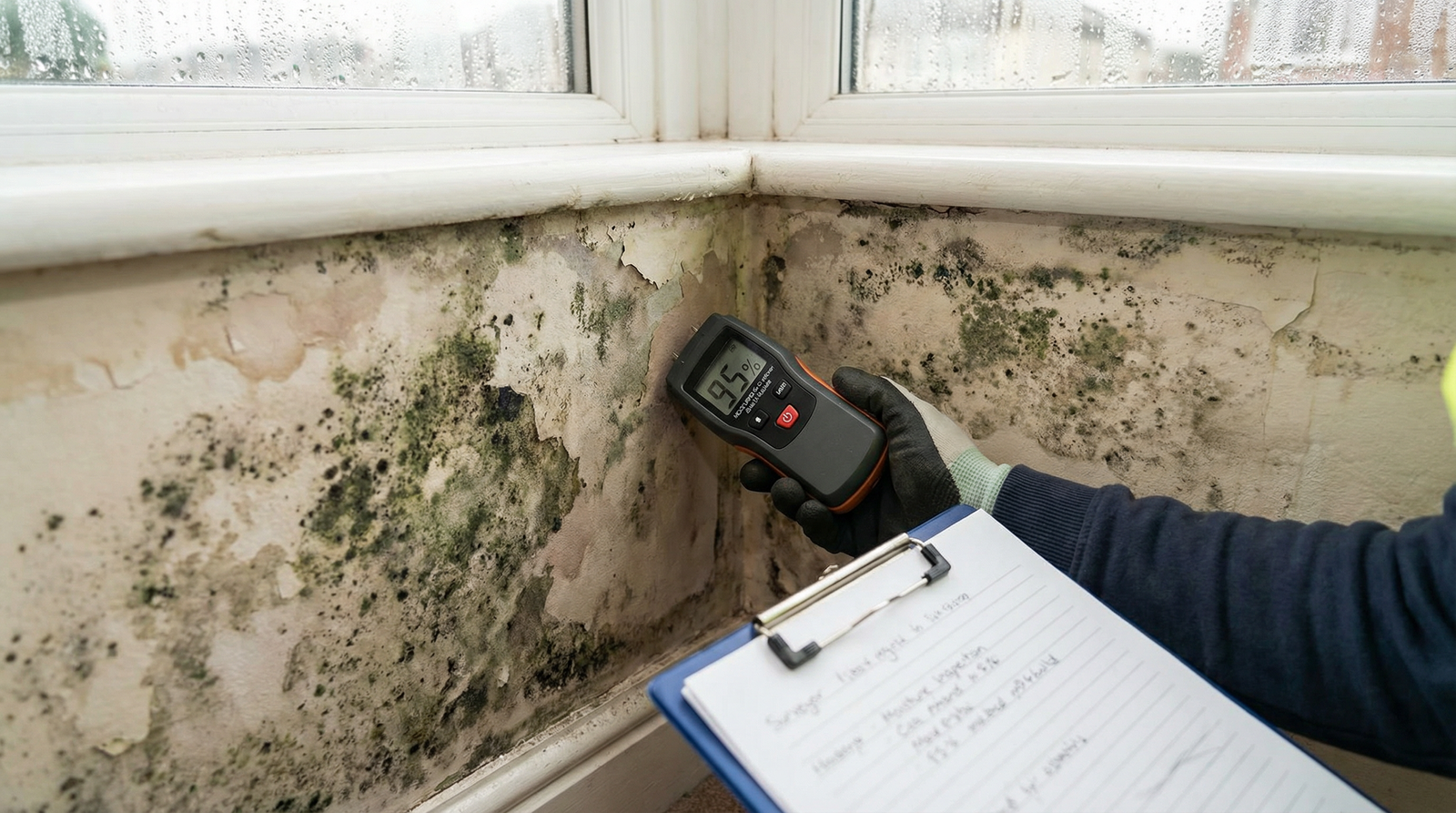
Damp is extremely common in old properties due to several factors. Period homes were designed to "breathe" using porous materials and lime mortar. Modern cement pointing and impermeable paints can trap moisture, causing damp issues. Rising damp from inadequate or absent damp-proof courses affects many Victorian properties.
Penetrating damp enters through deteriorated pointing, cracked render, damaged flashings, or defective gutters and downpipes. Condensation problems arise from poor ventilation and inadequate heating. Surveyors use moisture meters to identify damp locations and recommend appropriate treatments, which may include repointing with lime mortar, improving ventilation, or installing damp-proof courses.
Roof and Chimney Issues
Original roofs on period properties may be nearing the end of their lifespan. Slate and tile roofs typically last 60-100 years, meaning many need replacement or significant repair. Surveyors assess roof coverings, timbers, flashings, and valleys for defects.
Chimneys present particular concerns in old properties. Many are no longer used, leading to deterioration from weathering and lack of maintenance. Chimney stacks may lean or have loose masonry requiring rebuilding. Internal chimney breasts removed on lower floors but retained above create dangerous structural issues. A thorough survey identifies all chimney-related concerns.
Timber Decay and Woodworm
Period properties use extensive timber for floors, roofs, windows, and structural elements. Timber decay from wet rot or dry rot can seriously compromise structural integrity. Woodworm infestation damages floor joists, roof timbers, and furniture.
Surveyors inspect accessible timber for signs of decay, infestation, or previous treatment. They assess whether issues are active or historical and recommend specialist timber surveys if extensive problems are suspected. Treatment costs range from hundreds for localized woodworm to thousands for extensive dry rot eradication.
Outdated Services
Electrical, plumbing, and heating systems in period properties often need upgrading. Original wiring may be obsolete and dangerous, lacking modern safety features like earth bonding and RCDs. Lead pipes, which can affect water quality, are common in pre-1970 properties.
Heating systems may be inefficient, inadequate, or nearing the end of their lifespan. Surveyors assess service condition and recommend upgrades, helping you budget for necessary improvements. Complete rewiring costs £3,000-£8,000 depending on property size, while new central heating systems cost £3,000-£6,000.
Alterations and Extensions
Many period properties have been altered over the years. Extensions, loft conversions, and internal modifications may lack proper building regulation approval. Structural alterations might not have adequate support, creating safety concerns.
Surveyors investigate alterations, assessing whether work appears professionally executed and structurally sound. They recommend obtaining retrospective building regulation certificates where work lacks documentation. This protects you legally and ensures the property's value isn't affected by unauthorized alterations.
What a Level 3 Survey Covers in Period Properties
When My Surveyor Local arranges a RICS Level 3 building survey for a period property, the chartered surveyor conducts an extremely thorough inspection:
External Inspection
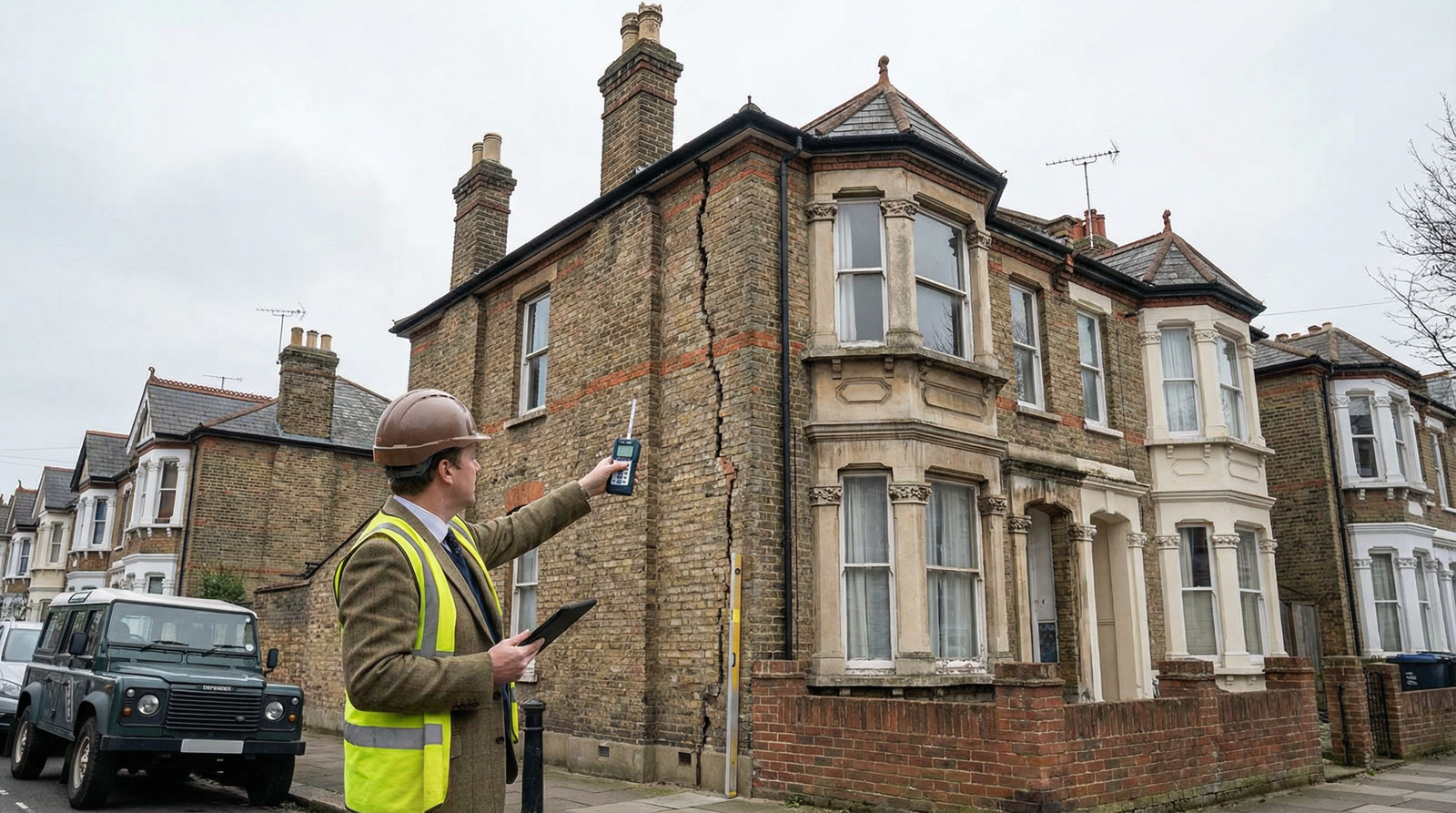
The surveyor examines walls, looking for cracks, bulging, leaning, or other structural concerns. They assess pointing condition, render quality, and any signs of damp penetration. Windows and doors are checked for decay, operation, and glazing condition. Roof coverings, chimneys, flashings, gutters, and downpipes receive detailed attention.
Internal Inspection
Every accessible room is inspected, with surveyors checking walls, ceilings, and floors for defects. They lift carpets where possible to inspect floor condition and look for damp or timber issues. Specialist equipment like moisture meters identify damp problems not visible to the eye.
Roof Space and Cellars
Surveyors access roof spaces to inspect roof timbers, insulation, and check for water penetration or pest infestation. Cellars and basements are examined for damp, structural issues, and ventilation problems.
Services Assessment
While not full electrical or plumbing tests, surveyors assess visible service condition, identifying obvious defects or safety concerns. They recommend specialist reports where detailed investigation is needed.
Detailed Report
The comprehensive report describes every element inspected, explains defects clearly with supporting photographs, estimates repair costs, and prioritizes work from urgent to long-term maintenance. You receive actionable information for making informed decisions about your purchase.
Cost Considerations for Period Property Surveys
RICS Level 3 building surveys for period properties typically cost £800-£1,500 depending on property size, age, and complexity. While more expensive than Level 2 surveys, the detailed information provided is invaluable for old properties.
Consider that survey findings often save far more than the survey cost through price negotiations or by avoiding properties with serious defects. Many buyers successfully negotiate £10,000-£30,000 off purchase prices using survey findings, making the survey investment extremely worthwhile.
Using Your Survey to Negotiate
Period property surveys frequently identify issues requiring attention. Use survey findings strategically:
Negotiate Price Reduction: Present repair cost estimates from the survey to justify a lower offer. Sellers often reduce prices rather than lose sales over survey findings.
Request Repairs: Ask sellers to complete urgent repairs before completion, particularly for safety-critical issues like electrical faults or structural concerns.
Budget Appropriately: If you proceed despite issues, the survey helps you budget accurately for necessary repairs and renovations after purchase.
Listed Buildings and Conservation Areas
Many period properties have listed building status or sit within conservation areas, adding extra complexity. Listed building consent is required for alterations, repairs, and even some maintenance work. This affects what repairs you can undertake and how.
Surveyors experienced with heritage properties understand these restrictions and provide advice appropriate to listed buildings. They recommend repairs using traditional materials and methods that comply with conservation requirements. When buying listed properties, always use surveyors with heritage expertise.
Specialist Investigations
Building surveys sometimes recommend specialist investigations for particular concerns:
Structural Engineer Reports: Severe cracking, subsidence, or structural alterations may need structural engineer assessment with detailed calculations and repair specifications.
Timber and Damp Specialists: Extensive timber decay or damp problems warrant specialist surveys with invasive testing and detailed treatment recommendations.
Drainage Surveys: Old drainage systems often suffer from deterioration, root ingress, or collapse. CCTV drainage surveys identify problems underground before expensive repairs become necessary.
Electrical Testing: Period property electrical systems often need complete professional testing to assess safety and compliance with current regulations.
The Value of Period Property Surveys
Comprehensive building surveys provide complete peace of mind when buying period properties. You understand exactly what you're purchasing, can budget accurately for repairs, negotiate effectively, and avoid costly surprises after completion.
Period properties offer character, charm, and features impossible to replicate in modern homes. With the right survey information, you can buy confidently, knowing potential issues and their costs. Many period property owners look back and appreciate how their survey saved them from expensive problems or helped negotiate better purchase terms.
Finding the Right Surveyor for Period Properties
Not all surveyors have equal experience with period properties. My Surveyor Local connects you with RICS chartered surveyors who specialize in old buildings. These professionals understand traditional construction methods, recognize period property issues, and provide accurate, reliable advice.
Local surveyors know regional building styles, common problems in your area, and local authority requirements for listed buildings. This expertise is invaluable when buying period properties, ensuring you receive relevant, practical advice tailored to your specific property.
Conclusion
Period properties need comprehensive RICS Level 3 building surveys. Their age, construction methods, and potential issues demand thorough investigation by qualified chartered surveyors. While survey costs are higher than basic homebuyer reports, the detailed information protects your investment and provides negotiating power.
My Surveyor Local specializes in connecting buyers with experienced surveyors who understand period properties. Don't risk buying an old property without a comprehensive survey – the cost of undiscovered defects far exceeds survey fees.
Ready to Survey Your Period Property?
Contact My Surveyor Local today to find a RICS chartered surveyor experienced with period properties in your area. Get your comprehensive building survey quote now.
Get Your Free Quote