My Surveyor Local specializes in period property surveys across the UK. Victorian, Edwardian, and Georgian homes offer character and charm but present unique surveying challenges. This comprehensive guide explains what to expect when surveying period properties and common issues surveyors identify.
Defining Period Properties
Period properties are generally defined as homes built before 1919, though some include inter-war properties from the 1920s-1930s. Main categories include:
Georgian (1714-1830): Elegant symmetrical facades, sash windows, high ceilings, original features like fireplaces and cornicing. Construction typically uses solid brick walls, lime mortar, and traditional timber framing.
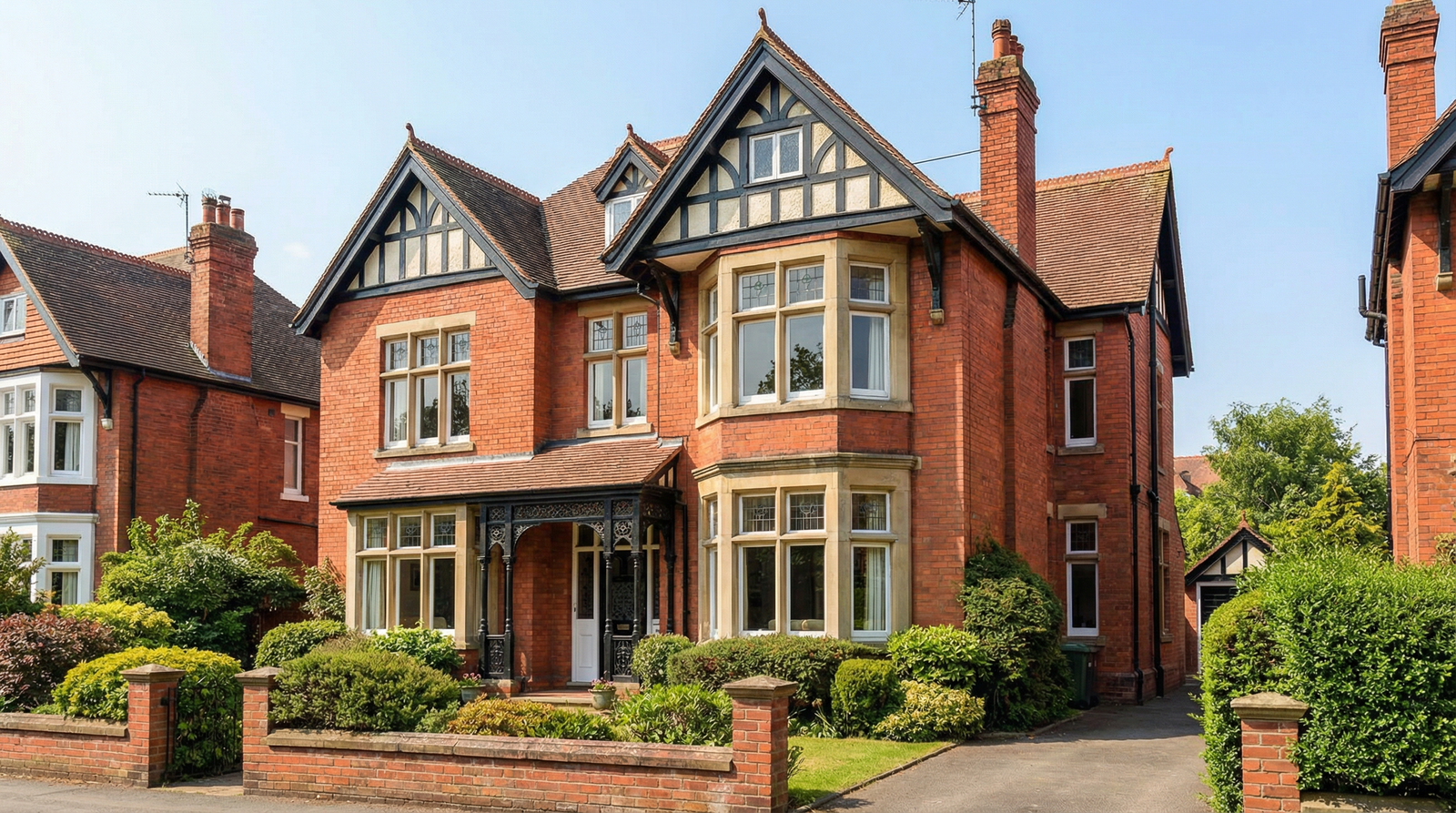
Victorian (1837-1901): The most common period properties featuring bay windows, ornate details, decorative brickwork, and distinctive architectural character. Victorian terraces, semi-detached, and detached houses are found nationwide.
Edwardian (1901-1910): Similar to Victorian but with lighter, more spacious interiors, larger gardens, and simpler decorative features. Edwardian properties often combine period character with more practical layouts.
Why Period Properties Need Specialist Surveys
Period properties require experienced surveyors understanding traditional construction methods, materials, and common age-related issues. Standard survey approaches suitable for modern properties may miss problems specific to older buildings.
My Surveyor Local recommends RICS Level 3 building surveys for all period properties. These comprehensive surveys provide detailed analysis of structure, condition, and defects essential for informed purchasing decisions.
Traditional Construction Methods
Understanding how period properties were built helps appreciate survey findings:
Solid Wall Construction
Period properties typically have solid walls (9 inches for single brick, 13 inches for double brick) rather than modern cavity walls. Solid walls offer no insulation cavity and can suffer from penetrating damp more readily than cavity walls. They also conduct heat easily, making properties expensive to heat without retrofit insulation.
Lime Mortar
Traditional buildings use lime mortar rather than modern cement mortars. Lime mortar is softer, more flexible, and allows walls to "breathe," accommodating structural movement without cracking. Modern cement repointing can trap moisture in solid walls, causing damp problems. Surveyors assess whether appropriate mortars were used in repairs.
Timber Structures
Period properties use extensive timber for floors, roofs, and structural elements. Original timber joists may span longer distances than modern standards permit, causing deflection or sagging. Surveyors assess timber condition, looking for rot, woodworm, or inadequate structural support.
Foundations
Older properties often have shallow foundations compared to modern requirements. While usually adequate, clay soils or nearby trees can cause subsidence. Surveyors look for cracking patterns indicating movement or settlement.
Common Period Property Issues
Structural Movement and Cracking
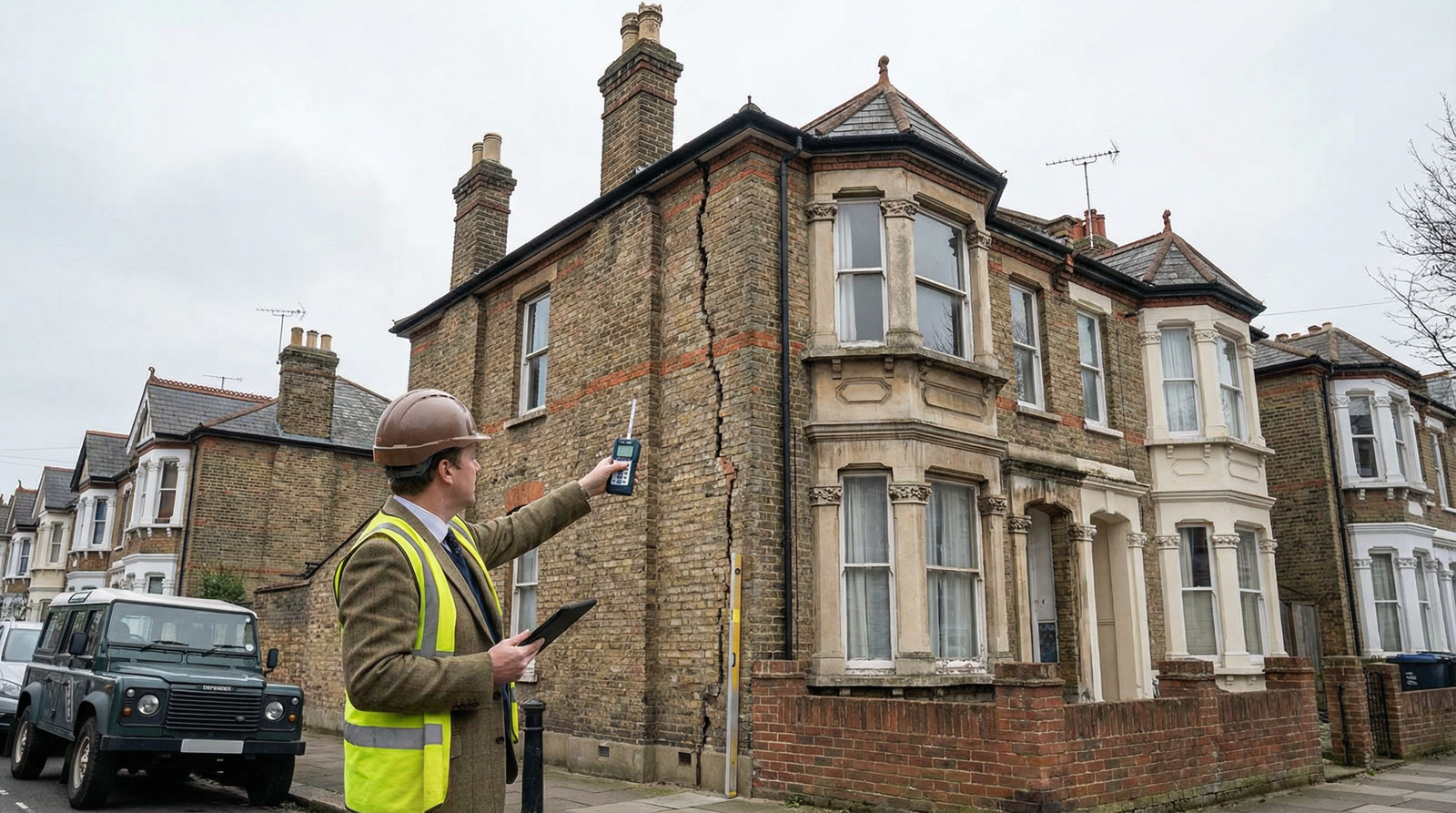
Most period properties show some cracking from historical settlement and movement. Surveyors distinguish between stable historical cracks and active movement requiring attention. Diagonal cracks wider than 3mm, particularly around windows and doors, indicate potential subsidence or structural issues. Stepped cracking in brickwork following mortar joints is also concerning.
However, not all cracks are serious. Many period properties have lived with minor cracking for decades without problems. Experienced surveyors assess whether cracks are increasing or stable, recommending monitoring or immediate action appropriately.
Damp Problems
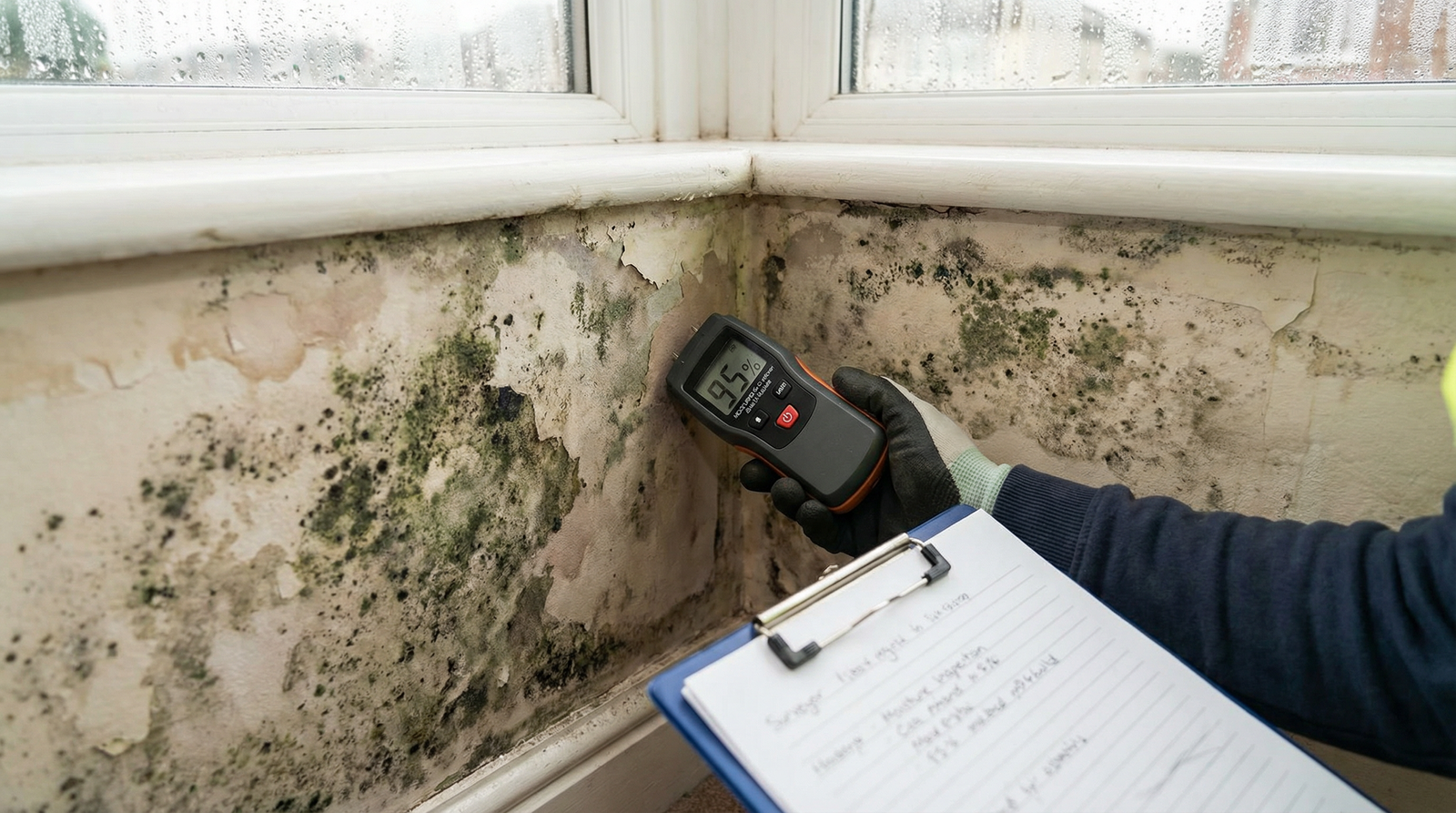
Damp is extremely common in period properties due to solid wall construction, failed damp-proof courses, or inappropriate modern repairs using impermeable materials.
Rising Damp: Properties built before 1875 often lack damp-proof courses entirely. Even where present, original slate or bitumen DPCs may have failed. Rising damp appears as tide marks, damaged plaster, and deteriorating skirting boards at ground floor level.
Penetrating Damp: Solid walls with damaged pointing, render, or flashings allow water penetration during rainfall. This appears as patches on walls, particularly on elevations exposed to prevailing winds.
Condensation: Poor ventilation and inadequate heating in solid-walled properties create condensation issues, particularly in bathrooms, kitchens, and corners of rooms.
Roof Issues
Period property roofs vary from slate to clay tiles to (rarely) thatch. Original roofs may be nearing end-of-life requiring expensive replacement.
Slate Roofs: Welsh slate roofs last 100+ years but eventually become brittle and nail-sick (nails corrode causing slates to slip). Re-roofing costs £50-£100 per square meter.
Clay Tiles: These last 60-80 years but can crack from frost damage or thermal movement. Surveyors assess whether tiles are original or have been replaced.
Roof Structures: Original roof timbers may show sagging from timber creep over decades. While not always serious, surveyors assess whether structural reinforcement is needed.
Original Features and Alterations
Period properties often have original features (fireplaces, cornicing, sash windows, floorboards) adding value but requiring maintenance. Surveyors assess condition and identify where features have been removed, potentially affecting character and value.
Many period properties have been altered with extensions, loft conversions, or internal modifications. Surveyors investigate whether alterations were properly executed with building regulation approvals. Unauthorized alterations can affect insurance, mortgages, and future sales.
Outdated Services
Electrical Systems: Original wiring is obsolete and dangerous. Even properties rewired 30-40 years ago may need updating to current standards. Rewiring period properties costs £4,000-£10,000 depending on size and complexity.
Plumbing: Lead pipes are common in pre-1970 properties, potentially affecting water quality. Modern regulations require replacement. Old plumbing may also lack stop valves, isolation valves, or proper drainage.
Heating: Period properties often have inefficient heating systems inadequate for solid-wall construction. Modern condensing boilers, thermostatic controls, and improved radiators significantly improve efficiency and comfort.
Timber Decay and Woodworm
Period properties use extensive timber vulnerable to rot and infestation. Wet rot occurs in damp timber, causing softening and decay. Dry rot is more serious, spreading through masonry and attacking even dry timber. Both require professional treatment and source moisture elimination.
Woodworm (furniture beetle) is common, creating small holes in timber and producing fine dust. Active infestations need treatment, though many properties show historical woodworm that's no longer active.
What Period Property Surveys Involve
External Inspection
Surveyors examine walls for cracking, bulging, or leaning indicating structural issues. They assess pointing condition, render quality, and damp penetration signs. Windows and doors are checked for operation, decay, and glazing condition. Roofs, chimneys, flashings, gutters, and downpipes receive detailed attention.
Internal Inspection
Every accessible room is inspected. Surveyors check walls and ceilings for cracking, damp patches, or plaster damage. Floors are assessed for levelness, squeaking, or bounce indicating timber issues. Where possible, surveyors lift carpets or access hatches to inspect floor and ceiling voids.
Roof Spaces
Accessible roof spaces are inspected for roof timber condition, insulation adequacy, water penetration signs, and pest infestation. Surveyors also check whether roof spaces have been converted and whether work complies with building regulations.
Basements and Cellars
Period properties often have cellars requiring inspection for damp, structural issues, and ventilation. Cellars converted to habitable rooms need proper damp-proofing, insulation, and building regulation compliance.
Listed Buildings Considerations
Many period properties have listed building status (Grade I, II*, or II) protecting architectural and historical interest. Listed building consent is required for alterations, even minor ones like changing windows or repointing.
Surveyors experienced with heritage properties understand restrictions and recommend appropriate repairs using traditional materials and methods. This knowledge is essential - inappropriate modern repairs can damage heritage fabric and lead to enforcement action.
Conservation Areas
Period properties in conservation areas face additional planning restrictions. External alterations often require consent, even if the building isn't listed. Surveyors advise on what works need consent and how conservation status affects renovation plans.
Survey Costs for Period Properties
Period property surveys typically cost more than standard property surveys due to complexity and time requirements. Expect to pay:
- £800-£1,200 for smaller period properties (terraced houses, cottages)
- £1,200-£1,800 for larger period properties (detached houses)
- £1,500-£2,500+ for complex or listed buildings
While expensive, comprehensive surveys are worthwhile for period properties where issues could cost tens of thousands to repair.
Specialist Investigations
Period property surveys sometimes recommend specialist investigations:
Structural Engineer Reports: Significant cracking, subsidence, or unusual structural configurations may need detailed structural analysis with repair specifications and cost estimates.
Timber and Damp Specialists: Extensive timber decay or damp problems warrant specialist surveys with invasive testing and detailed treatment recommendations.
Drainage Surveys: Original drainage systems may be deteriorated, broken, or inadequate for modern use. CCTV surveys identify problems before expensive repairs become necessary.
Maintaining Period Properties
Period properties require ongoing maintenance using appropriate materials and methods:
Use Breathable Materials: Lime mortars, lime plasters, and breathable paints allow moisture movement preventing trapped dampness.
Regular Inspections: Check gutters, downpipes, pointing, and flashings regularly. Small repairs prevent major problems developing.
Respect Original Features: Preserve and maintain original features like fireplaces, cornicing, and floorboards adding character and value.
Appropriate Insulation: Internal wall insulation, draft proofing, and secondary glazing improve efficiency while respecting character. External insulation is usually inappropriate for period facades.
Buying Period Properties With Confidence
Period properties offer unique character impossible to replicate in modern homes. With comprehensive surveys from experienced surveyors, buyers understand exactly what they're purchasing, can budget accurately for repairs, and negotiate effectively.
My Surveyor Local connects buyers with RICS chartered surveyors experienced in period properties who understand traditional construction, recognize age-specific issues, and provide accurate, reliable advice tailored to older buildings.
Conclusion
Period property surveys require specialist knowledge, experience, and understanding of traditional construction methods. Comprehensive RICS Level 3 building surveys provide detailed information about condition, defects, and maintenance priorities essential for informed purchasing decisions.
Don't let period property charm blind you to potential issues - get thorough surveys from experienced surveyors who understand older buildings. The investment in comprehensive surveys protects you from costly surprises and helps you buy with confidence.
Buying a Period Property?
Contact My Surveyor Local to find RICS surveyors experienced with period properties in your area. Get comprehensive surveys providing the detailed information you need.
Get Your Free Quote